7 Fascinating Facts About Cacao and Chocolate You Probably Didn’t Know
When you savor a piece of premium chocolate, you’re participating in a tradition that spans thousands of years. The journey from cacao tree to chocolate bar is filled with rich history, cultural significance, and fascinating science that most chocolate lovers never discover. Understanding these stories deepens our appreciation for this remarkable food, and helps us make more conscious choices about the chocolate we bring into our lives.
1. Cacao Was “Food of the Gods” Long Before It Became Chocolate
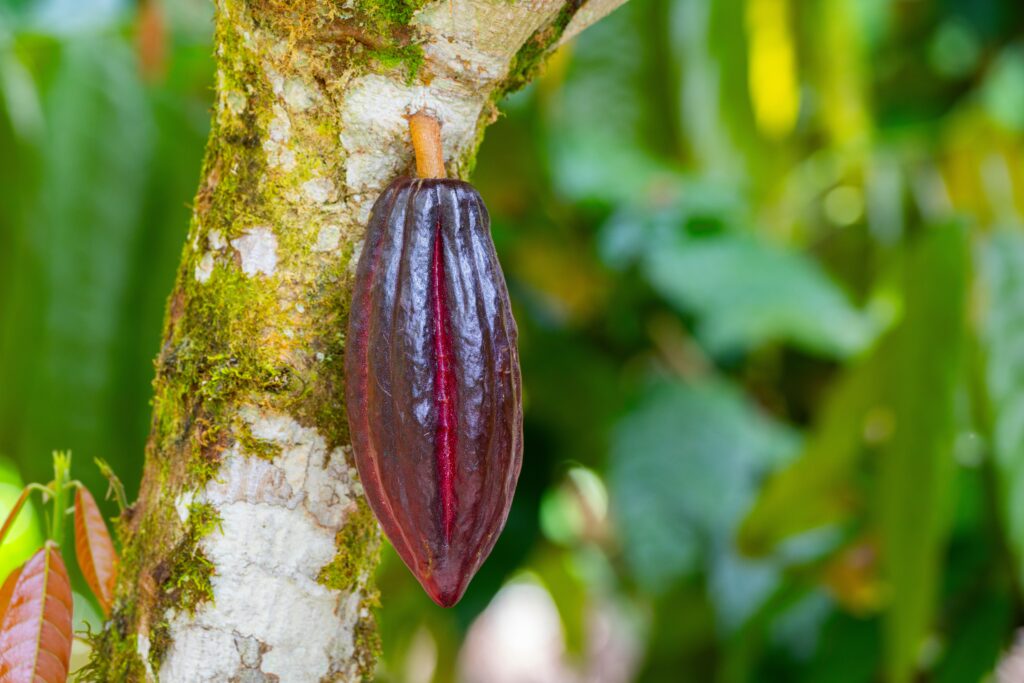
The scientific name for the cacao tree, Theobroma cacao, literally translates to “food of the gods” in Greek. Swedish botanist Carl Linnaeus chose this name in 1753, recognizing the reverence ancient civilizations held for this extraordinary plant. Growing cacao requires patience and ideal conditions, something the ancient peoples of Mesoamerica understood intimately, cultivating cacao trees in the warm, humid climates that allowed these precious pods to flourish.
2. Ancient Chocolate Was a Spicy Beverage, Not a Sweet Bar
The Maya and Aztecs would barely recognize today’s chocolate bars. They consumed cacao as a frothy, bitter beverage mixed with spices like chili peppers, vanilla, and even corn. This sacred drink played central roles in religious ceremonies, royal banquets, and diplomatic events. The transformation from bitter ceremonial beverage to the sweetened chocolate we know today didn’t occur until cacao reached Europe in the 16th century.
3. Cacao Beans Were Literal Currency
Imagine buying groceries with chocolate. In ancient Mesoamerican societies, cacao beans were so valuable they served as currency. A rabbit might cost ten beans, while a slave could be purchased for one hundred beans. This monetary system reflected cacao’s rarity and the labor-intensive cultivation process. Today, while we no longer trade cacao beans at markets, truly exceptional farm-to-bar chocolate still commands premium value, rightfully so, given the craftsmanship and dedication required at every stage.
4. European Nobility Kept Chocolate Secret for Nearly a Century
When Spanish conquistadors brought cacao to Europe in the early 1500s, the Spanish court kept this treasure largely secret from other European nations for decades. Chocolate remained an exclusive luxury of Spanish nobility before gradually spreading across Europe. By the 17th century, chocolate houses became fashionable gathering spots in London and Paris, though only the wealthy could afford this exotic import.
5. Cacao Trees Are Remarkably Particular About Their Home
Cacao trees thrive only within roughly 20 degrees of the equator, requiring specific conditions: warm temperatures, high humidity, rich soil, and protective shade. This geographic restriction makes cacao cultivation challenging and precious. Kauai’s tropical climate and nutrient-rich volcanic soil provides an exceptional environment for Hawaii-grown cacao, one of the few places in the United States where cacao flourishes naturally.
6. A Single Cacao Tree Produces Remarkably Few Bars
Each cacao tree produces only enough pods annually to make approximately two pounds of chocolate. When you consider the years of growth before a tree bears fruit and the careful processing required to transform beans into chocolate, the true craftsmanship behind artisan chocolate production becomes clear. This reality underscores why authentic, small-batch chocolate created on a Kauai farm represents something truly special, each bar reflects years of patient cultivation and skilled craftsmanship.
7. Farm-to-Bar Chocolate Represents a Return to Cacao’s Roots
For most of cacao history, the same communities that grew cacao also processed and consumed it. Modern industrial chocolate severed this connection, with beans traveling thousands of miles through multiple hands. The farm-to-bar movement reconnects us with chocolate’s authentic origins, allowing growers to control quality from tree to finished bar while minimizing environmental impact and ensuring ethical practices throughout the process.
FQA’s
What does “farm-to-bar” chocolate mean?
Farm-to-bar chocolate means the same producer who grows the cacao also controls every step of processing, from harvesting pods to crafting finished bars, ensuring complete quality control, transparency, and pure ingredients without additives.
Why is Hawaii-grown cacao special?
Hawaii-grown cacao, particularly from Kauai, develops unique flavor characteristics influenced by volcanic soil, tropical climate, and ocean breezes. It’s also the only commercially grown cacao in the United States, making it exceptionally rare.
What makes Kauai ideal for growing cacao?
Kauai’s rich volcanic soil, consistent tropical temperatures, natural rainfall patterns, and protective trade winds create optimal conditions for farm-grown cacao with complex, distinctive flavors.
How does farm-grown chocolate support sustainability?
Farm-grown chocolate reduces transportation impacts, supports local agricultural communities, preserves farming knowledge, and allows for ethical, transparent practices throughout the entire process.
What should I look for in premium chocolate?
Look for chocolate with pure ingredients, transparent sourcing information, farm-to-bar or single-origin labeling, and producers who prioritize sustainability and quality over mass production.
Conclusion
A Sweeter Way to Understand Chocolate
Every piece of chocolate carries centuries of cacao history, botanical wonder, and human craftsmanship. When you choose premium, ethically-produced chocolate from Hawaii-grown cacao, you’re honoring this remarkable legacy while supporting sustainable farming practices that protect both cacao’s future and the communities who cultivate it. Our Kauai farm-grown chocolate represents conscious craftsmanship, from volcanic soil to your hands.
Ready to experience chocolate crafted with consciousness and care? Discover our farm-to-bar process and taste how authentic Hawaii-grown chocolate from Kauai should be.