
How to Store Chocolate in Warm Weather (Without Ruining the Flavor)
Living in a tropical paradise like Kauai means embracing sunshine, warm ocean breezes, and balmy temperatures year-round. But if you’re a chocolate lover, you’ve likely experienced that heart-sinking moment when you discover your premium artisan chocolate has transformed into a melted mess. Whether you’re enjoying our farm-to-bar creations here in Hawaii or savoring them on the mainland during summer, proper storage is essential to preserve the rich flavors and smooth texture that make quality chocolate extraordinary.
Understanding how heat and humidity affect your chocolate, and knowing exactly how to protect it, ensures every bite delivers the exceptional experience our Kauai-grown cacao promises.
How Heat and Humidity Affect Premium Chocolate
Chocolate is remarkably sensitive to its environment. When temperatures rise above 70°F, chocolate begins to soften. Above 86°F, it melts entirely, compromising both texture and appearance.
Heat causes cocoa butter, the natural fat in cacao, to separate and migrate to the surface. When it cools, you’ll notice a whitish-gray film called “fat bloom.” While completely harmless and edible, bloom affects texture and diminishes that satisfying snap of perfectly tempered chocolate.
Humidity presents another challenge, especially in tropical climates like Hawaii. Moisture causes “sugar bloom,” where sugar crystals dissolve and recrystallize on the surface, creating a grainy, rough texture that masks the pure, nuanced flavors achieved through careful small-batch production.
The Ideal Storage Conditions for Chocolate
Premium chocolate thrives in consistent, cool environments. The sweet spot is between 60-68°F with relative humidity below 50%. These conditions preserve the careful tempering that gives quality chocolate its glossy appearance and crisp break.
Store chocolate in a dark location away from direct sunlight and heat sources. A pantry, cupboard, or dedicated storage container works beautifully, provided your home stays reasonably cool. In Hawaii’s tropical climate or during mainland summers, this sometimes requires creative solutions.
To Refrigerate or Not? That’s the Question
Refrigeration feels intuitive when temperatures climb, but it’s not without risks. Cold storage can help prevent melting, but moisture and food odors pose serious threats to flavor integrity.
When refrigeration makes sense:
- Temperatures consistently exceed 75°F
- You’re storing chocolate long-term during summer months
- Your home lacks climate control
How to refrigerate properly:
- Wrap chocolate tightly in plastic wrap or place in an airtight container
- Add an extra layer of aluminum foil to prevent odor absorption
- Let chocolate return to room temperature (still wrapped) before opening to prevent condensation
Never refrigerate unwrapped chocolate; it will absorb flavors from nearby foods, undermining the pure, authentic taste that defines artisan chocolate crafted from Kauai-grown cacao.
Protecting Chocolate from Moisture and Odors
Whether storing at room temperature or in the refrigerator, creating a protective barrier is essential. Airtight containers or resealable bags work wonderfully. For added protection in humid environments, include a food-safe silica packet to absorb excess moisture.
Keep chocolate away from strong-smelling foods like onions, spices, or seafood. Quality chocolate readily absorbs surrounding aromas, which can permanently alter its delicate flavor profile, especially disappointing when you’ve chosen chocolate made with transparency and care from tree to bar.
What to Do If Your Chocolate Melts
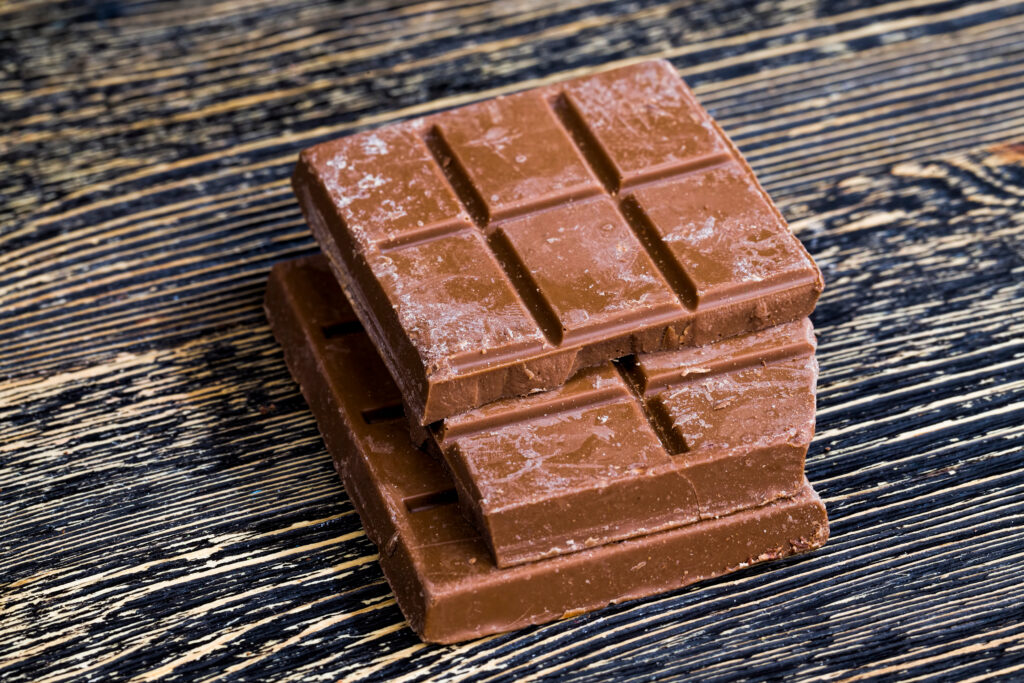
Don’t panic if your chocolate melts. It’s absolutely still safe to eat. The flavor remains intact, though texture may change upon cooling.
If chocolate has melted but not bloomed, you can:
- Use it for baking, hot chocolate, or dessert sauces
- Let it solidify and enjoy it broken into rustic pieces
- Melt it completely and pour into molds for a creative DIY project
Chocolate with visible bloom is perfectly safe, just slightly less appealing visually and texturally than properly stored chocolate. The pure cacao and natural ingredients remain uncompromised.
FAQ
Can I freeze chocolate for long-term storage?
A: Yes, but use the same protective wrapping as refrigeration and allow several hours for gradual thawing to prevent condensation. This works especially well if you’ve stocked up on our Kauai-grown chocolate.
How long does properly stored chocolate last?
A: Dark chocolate can last 2+ years when stored correctly, though artisan chocolate tastes best within 6-12 months for optimal flavor expression.
Is chocolate with bloom safe to eat?
A: Absolutely. Bloom affects appearance and texture but doesn’t indicate spoilage or compromise the quality of the cacao.
Why does Hawaii-grown chocolate need special care during summer?
A: Our tropical climate means consistently warm temperatures and higher humidity, which accelerates melting and bloom. Proper storage preserves the exceptional quality of chocolate grown in Kauai’s rich volcanic soil.
Should I store different chocolate types separately?
A: Yes, especially if storing milk and dark chocolate together, as different cocoa percentages have varying temperature sensitivities and melting points.
Preserve the Quality You Deserve
When you choose farm-to-bar chocolate crafted entirely on Kauai, from cacao tree to finished bar, you’re making a conscious choice that supports sustainability, ethical farming practices, and exceptional quality. Proper storage ensures every piece delivers the rich, authentic flavor that reflects our nutrient-rich volcanic soil, careful harvest practices, and artisan craftsmanship.
Contact us to learn more about storing your Perelandra Farms chocolate, or join our Chocolate Lover’s Club for regular deliveries of perfectly fresh, ethically crafted chocolate delivered right to your door, with seasonal storage tips included.