A Journey Through Time: The Ancient History of Cacao and Its Hawaiian Revival
Have you ever unwrapped a chocolate bar and felt how distant it is from the place it was grown? In a world of mass-produced chocolate, the true story of cacao, its sacred origins, cultural meaning, and authentic flavor, is often hidden behind factories and global supply chains. For people who care about transparency, sustainability, and real connection to their food, tracing cacao’s journey through time reveals why ethical, locally grown chocolate matters so much today.
The Sacred Beginnings: Cacao in Ancient Mesoamerica
Cacao’s story begins in ancient Mesoamerica, where the Olmec people first cultivated it around 1500 BCE and prepared it as a bitter ceremonial drink. The Mayans later treated cacao as a divine gift, using kakaw in rituals, celebrations, and royal ceremonies, often served frothy and mixed with spices or chili. Pottery and texts show rulers drinking it from ornate vessels. The Aztecs inherited this reverence, calling the drink xocolātl and valuing cacao beans so highly that they used them as currency. Emperor Montezuma II famously consumed cups of cacao daily for vitality and wisdom. For these civilizations, cacao was more than food; it was medicine, money, and a spiritual bridge woven into every part of life.
Cacao’s Global Journey and Transformation
When Spanish colonizers arrived in the Americas, they encountered this bitter cacao drink, eventually adapting it with sugar and vanilla. Chocolate quickly spread through European courts and chocolate houses, reserved for the wealthy.
The Industrial Revolution made chocolate widely accessible but at a cost. Large-scale processing and globalized supply chains distanced chocolate from its origins. Transparency, terroir, and small-scale craftsmanship faded as volume and uniformity took center stage. Much of the connection that ancient cultures had with cacao was lost.
Hawaii’s Unique Place in Cacao History
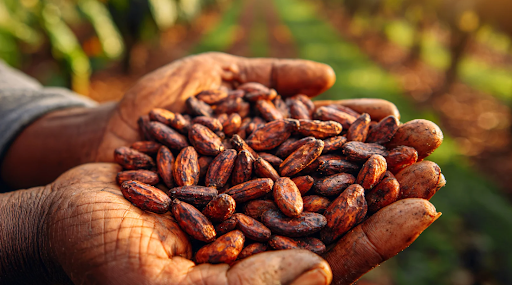
Hawaii has become an unexpected yet perfect home for cacao, standing as the only place in the United States where it can be grown commercially thanks to its tropical climate, warm temperatures, and steady rainfall. On Kauai, nutrient-rich volcanic soil and unique microclimates create ideal growing conditions that mirror cacao’s native environment. The same landscape that produces world-famous coffees now supports a new chapter in American-grown cacao.
According to the University of Hawaii, the islands provide the specific environmental factors cacao trees require to thrive. This allows Hawaii to honor cacao’s Central American roots while supporting sustainable, small-scale agriculture closer to U.S. consumers. For a deeper look into this evolution, explore the history of Hawaiian chocolate.
Perelandra Farms: Honoring Tradition on Kauai
On the Garden Isle of Kauai, Perelandra Farms is part of this Hawaiian cacao revival. The farm cultivates cacao from tree to bar in nutrient-rich volcanic soil, using a true farm-to-bar approach. Every step, from growing and harvesting to fermenting, drying, roasting, and crafting, happens on the island.
This local control minimizes transport, keeps the chocolate fresher, and offers full traceability for conscious consumers. Cacao grown on Kauai expresses the island’s unique terroir, giving each batch its own character shaped by soil, climate, and careful handling.
The Hawaiian Cacao Movement
Perelandra is also part of a broader movement of Hawaiian cacao farms that are reshaping American chocolate. Small farms like Perelandra are leading the way in craft chocolate, proving that sustainability, ethical sourcing, and premium quality can go hand in hand.
These farms focus on:
- Sustainable growing practices that protect fragile island ecosystems
- Fair and transparent treatment of workers and communities
- Small-batch processing that preserves flavor and character
For people who feel disconnected from how their food is grown, farm-to-bar Hawaiian chocolate offers something rare: you can actually visit the island cacao farm whose beans end up in your bar.
From Ancient Ceremony to Modern Craft
The journey of cacao from ancient ceremonies to modern Kauai reflects continuity more than change. At its best, cacao has always been about community, ritual, and respect for the land.
Perelandra’s Chocolate Lover’s Club captures this spirit by building a community around ethical, small-batch chocolate. Members receive regular shipments of chocolate made with care and intention, much like the ceremonial preparations of the past, but expressed through modern bars and recipes.
Experience True Hawaiian Cacao for Yourself
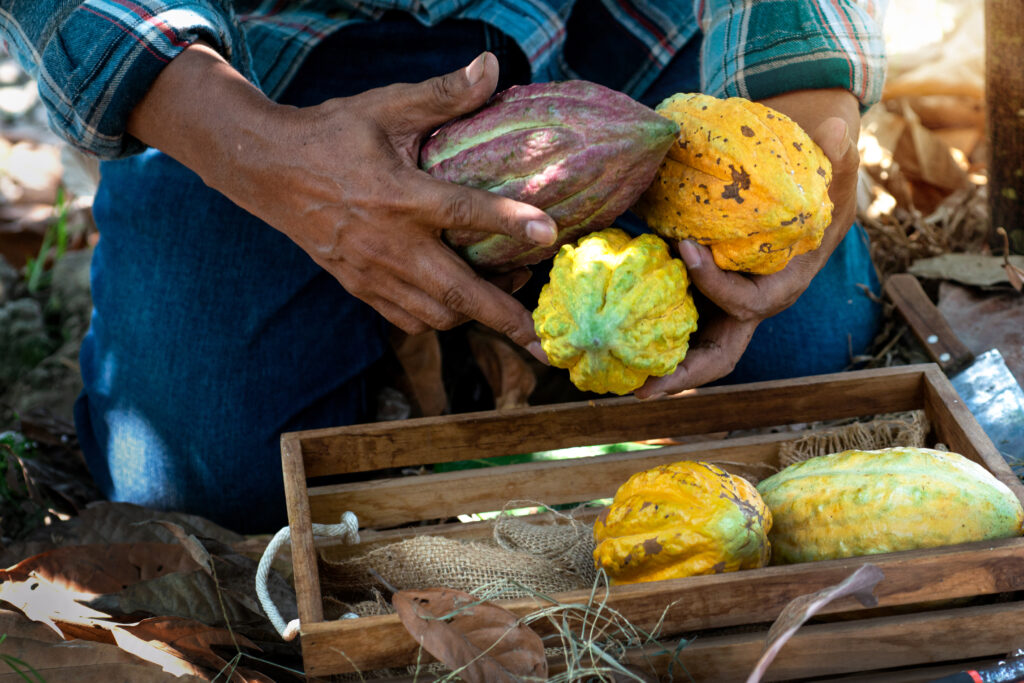
Choose chocolate that honors its roots. Perelandra’s Kauai-grown, farm-to-bar cacao lets you taste the story behind every bean crafted ethically, sustainably, and with complete transparency. If you want chocolate that is personal, local, and connected to the land, explore Perelandra’s small-batch bars and experience how true Hawaiian cacao brings history, flavor, and integrity together in every bite.
Frequently Asked Questions
Where did cacao originally come from?
Cacao originated in the Amazon basin and spread through Mesoamerica, where the Olmec, Mayan, and Aztec civilizations cultivated and revered it.
Why is Hawaii the only U.S. state that can grow cacao?
Hawaii’s tropical climate, rainfall, and volcanic soil provide the warm, humid conditions cacao trees need to thrive.
How was cacao used by ancient civilizations?
It was prepared as a bitter ceremonial drink, used in rituals, medicine, and as currency for trade.
What makes Hawaiian-grown cacao different?
Unique volcanic soil, small-scale farms, and full farm-to-bar processing on islands like Kauai create distinct flavor profiles and full traceability.
Is farm-to-bar chocolate better than regular chocolate?
Farm-to-bar chocolate offers more transparency, fresher beans, and tighter control over quality, ingredients, and ethical practices.