What Does Cocoa Fruit Taste Like?
When you think of chocolate, you probably imagine a smooth, rich, and velvety treat. But before chocolate becomes the luxury we love, it starts as a humble fruit—the cacao pod.
Surprisingly, cacao fruit tastes nothing like the chocolate bars you find at a store. Instead, it has a tropical, citrusy sweetness with a hint of tangy acidity.
Let’s explore what cacao fruit looks, feels, smells, and tastes like, along with a bit of its history in Hawaii’s chocolate farms.
What Does Cacao Fruit Look Like?
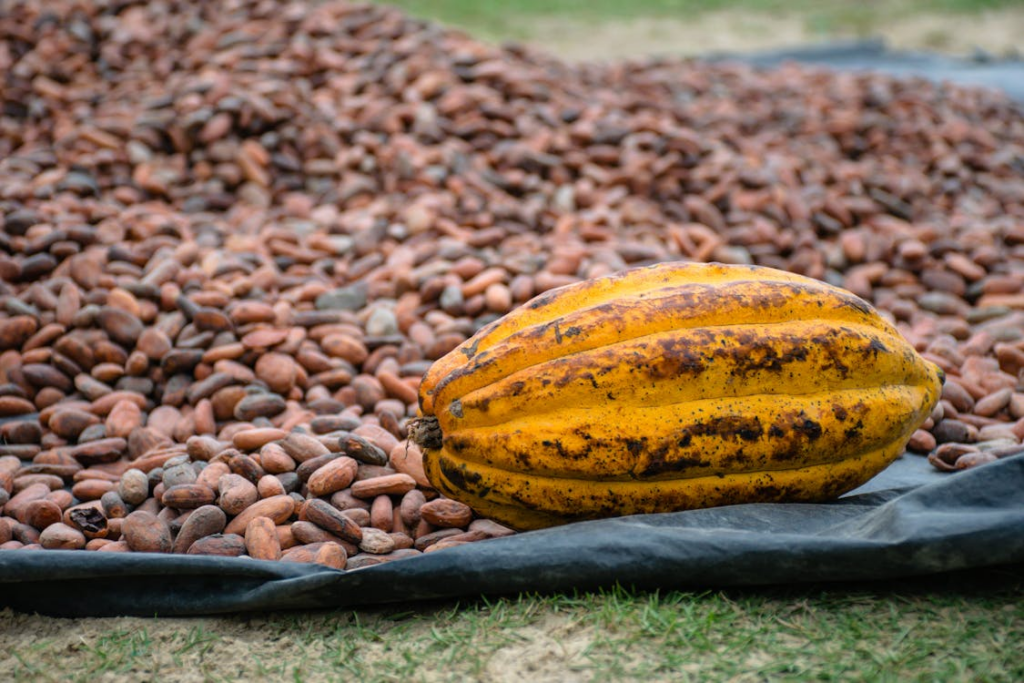
Cacao fruit grows on the Theobroma cacao tree, meaning “food of the gods” in Greek. The tree produces large, oval-shaped pods that range in size from 4 to 12 inches long. These pods come in a variety of colors—yellow, orange, red, purple, or even green—depending on the variety and ripeness.
Once fully mature, the pod’s outer shell is thick and slightly rough, resembling the texture of a pumpkin or gourd. It has distinct ridges running along its surface, giving it a rustic, natural appearance. Inside, you’ll find a sticky white pulp surrounding dozens of cacao beans—the true foundation of chocolate.
How Does Cacao Fruit Feel?
If you’ve ever held a cacao pod, you’ll notice that it feels sturdy and dense. The outer shell is firm, requiring a sharp knife or machete to crack it open. Once split, the inside is soft and moist, revealing the delicate, fleshy pulp. When scooped out, the pulp feels somewhat slimy and jelly-like, much like the inside of a lychee or mangosteen.
The cacao beans within the pulp are covered in a smooth, slippery coating. If you squeeze them, they release a bit of juice—an early sign of the fruit’s tropical flavor. However, these beans are bitter on their own and need fermentation to develop the chocolatey notes we associate with cocoa.
How Does Cacao Fruit Smell?
Before fermentation, the cacao pod and its pulp emit a sweet, floral aroma. The scent is often described as a mix of citrus, mango, and melon, with hints of honey and tropical flowers.
Once the cacao beans undergo fermentation and drying, the fruity aroma fades, giving way to the more familiar deep, earthy chocolate scent. This transformation is key in chocolate production, as raw cacao fruit smells completely different from the final chocolate product.
What Does Cacao Fruit Taste Like?
One of the most fascinating things about cacao fruit is its taste—it’s unexpectedly sweet and tangy rather than bitter. The pulp, which surrounds the cacao beans, has a refreshing tropical flavor similar to a blend of:
- Mango – for its juicy sweetness
- Lychee – for its floral notes
- Citrus fruits (like lime or passion fruit) – for a slightly tart kick
The flavor is bright, slightly acidic, and incredibly juicy, making it a sought-after delicacy in tropical regions. Some people compare it to a sour candy or exotic smoothie—a stark contrast to the rich, dark chocolate it eventually becomes.
The cacao beans themselves, however, do not taste sweet at all. If you bite into a raw bean, it has a bitter, earthy taste with a slight nuttiness. This is why fermentation is so important in chocolate production—it helps break down the bitterness and bring out deeper chocolate flavors.
A Brief History of Chocolate Production in Hawaii
Hawaii is the only U.S. state where cacao can be grown commercially, thanks to its tropical climate and volcanic soil. The first recorded cacao plantings in Hawaii date back to the 1800s, when it was introduced by agriculturalists experimenting with different crops. However, it wasn’t until the late 20th century that Hawaiian chocolate farms began producing high-quality, single-origin chocolate.
Today, Hawaii is home to several cocoa farms including the Prelandra farm at Kaua’i. These farms focus on bean-to-bar production, meaning they grow, harvest, ferment, and process cacao locally, creating unique Hawaiian chocolate flavors that showcase the island’s rich terroir.
Hawaiian chocolate has a distinct taste compared to cacao grown in other tropical regions. Thanks to the fertile volcanic soil, ocean breeze, and diverse microclimates, Hawaiian cacao tends to have fruitier, more floral, and slightly nutty notes, making it highly prized among chocolate enthusiasts.
Why Visit a Cocoa Farm in Hawaii?
If you’ve never seen cacao fruit in person, visiting a chocolate farm in Hawaii is an unforgettable experience. Many cocoa farms offer guided tours where visitors can:
- See cacao trees up close and learn how pods are grown
- Taste fresh cacao fruit right from the pod
- Observe the fermentation and drying process
- Watch chocolatiers craft small-batch chocolate bars
Some farms even let you make your own chocolate, giving you a hands-on appreciation for the journey from cacao fruit to chocolate bar.
Cacao fruit is a hidden tropical gem that offers a sweet, tangy, and citrusy flavor—completely different from the chocolate we all love. Its journey from cocoa farms in Hawaii to a silky, handcrafted bar of chocolate is a testament to nature’s complexity and the artistry of chocolate-making.
So next time you enjoy a bite of chocolate, remember where it all starts—with a colorful, exotic fruit that tastes like a tropical paradise.
Want to experience it for yourself?
Contact us or visit a Prelandra chocolate farm to taste the magic of cacao straight from the tree!