From Pod to Present: The Journey of Hawaiian Cacao and What Makes It Unique
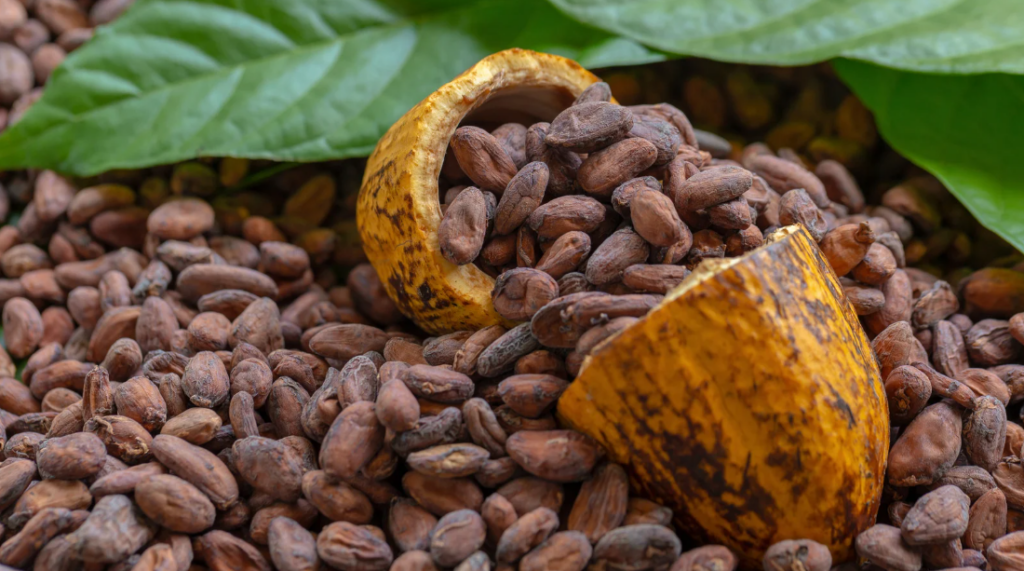
When you unwrap a bar of authentic Hawaiian chocolate, you are holding something genuinely different. The journey from cacao pod to finished bar tells a story of Kauai’s volcanic soil, tropical growing conditions, and careful craftsmanship that preserves the bean’s natural character. At Perelandra Farm on Kauai, that journey happens on-island, from cultivation to chocolate making, so each bar reflects where it came from, not just how it was processed.
Understanding what makes Hawaiian cacao special means looking beyond the finished chocolate. It is about the environment, farming choices, and the behind-the-scenes steps that develop flavor before a bar ever reaches a wrapper.
The Kauai Advantage: Climate and Soil
Kauai’s warm, steady tropical climate supports cacao trees without the extreme swings that can stress crops. Regular rainfall and local microclimates help create a stable growing environment, which matters for long-term tree health and consistent harvests.
What truly sets Hawaiian cacao apart is what is underfoot. Kauai’s volcanic soils are naturally mineral-rich, shaped by the island’s geologic history. Those minerals influence how the trees grow and can contribute to the depth and complexity chocolate lovers notice in well-made Hawaiian bars. This connection between place and flavor is the essence of terroir, and it is a big reason Hawaiian-origin chocolate tastes distinct from cacao grown in other regions.
Want more context on what “Hawaiian cacao” really means? Perelandra’s deep-dive on U.S.-grown Hawaiian cacao is a solid companion.
Growing Cacao the Right Way
Cacao is naturally a shade-loving tree. On small farms like Perelandra, cacao is often grown in a more forest-like system where larger trees provide canopy cover. Shade-growing can support a healthier ecosystem around the crop, encouraging biodiversity and creating a balanced environment where the farm can focus on quality over volume.
Because production is small-batch, harvest is also selective. Pods are picked by hand at peak ripeness so only properly developed beans move forward. That attention may be slower than industrial-scale production, but it is a major quality lever in craft chocolate.
Fermentation and Flavor Development
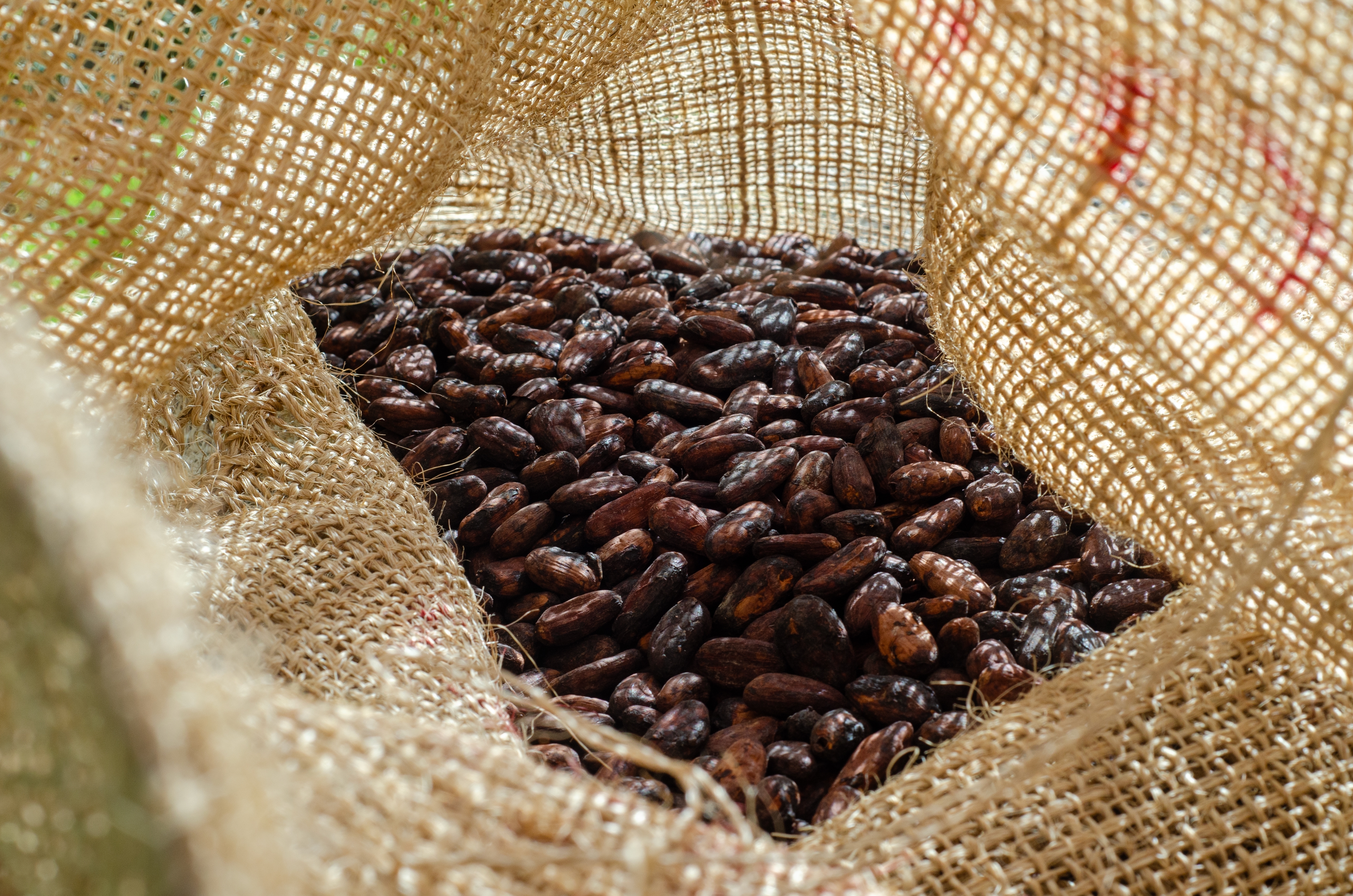
Fermentation is where chocolate flavor begins. After pods are opened, the beans and surrounding pulp are placed into controlled fermentation, where naturally occurring yeasts and bacteria transform the sugars and trigger chemical changes inside the beans. Get this stage right, and you unlock complexity. Rush it, and the result can taste sharp, flat, or overly bitter.
When Hawaiian cacao is fermented well, you can see it in the finished bar: layered notes that can read as fruity, nutty, floral, or earthy, depending on the batch and the season. No artificial flavoring required, because the character is developed at the source.
From Bean to Bar on Kauai
After fermentation, beans are dried to the right moisture level, then roasted to develop the flavors that fermentation sets up. Roasting is not a one-size-fits-all process. Origin and bean density matter, and Hawaiian-grown cacao often benefits from careful, dialed-in roasting to keep its natural notes intact.
From there, beans are cracked, winnowed, and ground into chocolate liquor, then refined and tempered into finished bars. The farm-to-bar approach means one team controls the entire chain, reducing “handoff losses” and preserving freshness. Perelandra’s overview of the process is here: From Bean to Bar
Appreciating Hawaiian Chocolate
The best way to understand Hawaiian chocolate is to taste it slowly. Let a small piece melt, and pay attention to how the flavor changes. Many people notice a bright opening note, followed by deeper earthiness and a clean finish. Those shifts are the signature of origin-driven chocolate, where the bean is the star.
Perelandra’s Shopping page is the easiest place to explore bars crafted from Kauai-grown cacao, including their dark chocolate options.
If you are also interested in the broader background of cacao in the islands, this is a useful read: The History of Hawaiian Chocolate.
Frequently Asked Questions
What makes Hawaiian cacao different from other origins?
Hawaiian cacao reflects Kauai’s growing conditions, including tropical climate and mineral-rich volcanic soil. In craft bars, that often shows up as more noticeable origin character and layered flavor notes.
How long does it take from cacao pod to finished chocolate bar?
Typically several weeks, including harvesting, fermentation, drying, roasting, and chocolate making. Farm-to-bar production prioritizes timing each step for quality, not speed.
What does farm-to-bar really mean?
It means the same operation oversees growing, harvesting, fermenting, drying, roasting, and crafting the final chocolate, instead of buying pre-processed cacao from brokers.
Taste the Journey for Yourself
Every bar is a snapshot of place, season, and craft. If you want to experience the full “pod to present” story in edible form, start with Perelandra’s online shop and explore more cacao education on their blog. For wellness-focused reading, their take on dark chocolate benefits is here: Is Dark Chocolate Good For You.