The Rise of Craft Chocolate: Why Small Farms Like Perelandra Are Leading the Way
What Exactly Is Craft Chocolate?
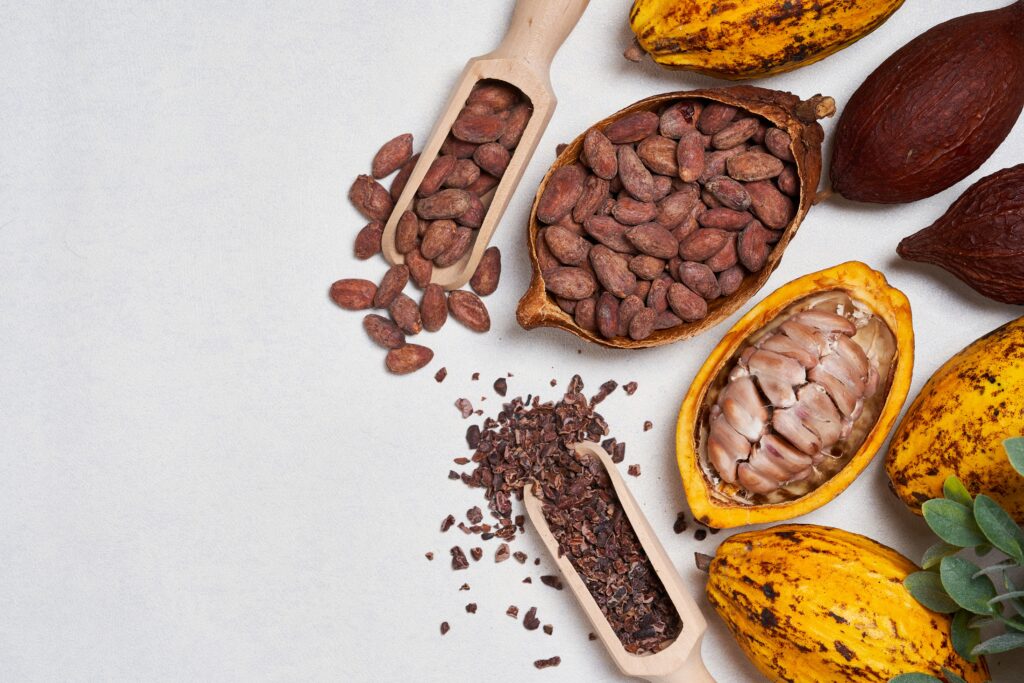
If you’ve ever bitten into a piece of chocolate and tasted not just sweetness, but layers of fruit, floral notes, or earthy richness, you’ve probably encountered craft chocolate. Unlike mass-produced chocolate, which is designed for consistency and scale, craft chocolate emphasizes transparency, origin, and artistry. It’s chocolate that celebrates the unique qualities of the cacao bean itself, highlighting flavors influenced by soil, climate, and farming methods.
Mass-market chocolate is often filled with additives, high levels of sugar, and cocoa sourced from anonymous global supply chains. Craft chocolate, on the other hand, follows a bean-to-bar approach: farmers and makers take responsibility for every stage of the process, from harvesting to roasting and molding. This not only ensures quality but also creates a direct connection between the chocolate you enjoy and the local farm where it was born.
Why Craft Chocolate Is Gaining Ground
In recent years, eco-conscious consumers and foodies alike have pushed for greater transparency in the food world. Just as the farm-to-table movement transformed how we think about produce, the craft chocolate movement is changing the way people see cacao.
Key reasons for this surge in popularity include:
- Traceability: Consumers want to know where their chocolate comes from, and who grew it.
- Flavor Diversity: Like wine or coffee, cacao grown in different regions produces distinct tasting notes.
- Ethical Responsibility: Direct trade and fair compensation ensure farmers benefit from their labor.
- Sustainability: Small farms often embrace regenerative agriculture, minimizing harm to fragile ecosystems.
This shift in values has allowed Hawaii grown cacao to stand out on the global stage.
Hawaii: The Heart of U.S. Cacao
Hawaii is the only U.S. state where cacao grows commercially. With its warm climate, steady rainfall, and fertile volcanic soil, the islands provide conditions similar to equatorial cacao regions. Yet, Hawaiian cocoa stands apart because it is grown on a much smaller scale, often on local farms that prioritize quality over quantity.
In Kauai especially, cacao farming has become an intersection of agriculture, sustainability, and craft. Each local farm contributes not only to the state’s economy but also to the growing reputation of Hawaiian chocolate as a rare and premium product.
Perelandra Farms: A Case Study in Craft Chocolate
Nestled among the lush greenery of Kauai, Perelandra Farms embodies everything the craft chocolate movement stands for. Unlike industrial producers who separate farming from production, Perelandra is a local farm where cacao is nurtured, harvested, fermented, and ultimately crafted into chocolate, all in one place.
Organic and Sustainable Practices
At Perelandra Farms, cacao is grown without pesticides, GMOs, or synthetic chemicals. Instead, regenerative farming practices enrich the soil and protect biodiversity. Cover crops improve fertility, while natural habitats for pollinators ensure the ecosystem thrives alongside the cacao trees.
The Flavor of Place
Hawaiian cocoa is distinctive, and Perelandra’s chocolate tells that story with every bite. Thanks to Kauai’s volcanic soil and tropical microclimates, the beans develop flavor notes ranging from deep cocoa and roasted nut to bright fruit and subtle floral undertones. The result is chocolate that feels alive on the palate, smooth in texture, balanced in sweetness, and complex in depth.
Hands-On Craftsmanship
From the moment cacao pods are harvested, every step is carefully managed by hand:
- Fermentation: Beans rest in small wooden boxes, where natural microbes develop layers of flavor.
- Sun Drying: Cacao dries slowly in the island sun, locking in its character.
- Small-Batch Roasting: Each lot is roasted with precision to preserve its unique taste.
- Tempering and Molding: Finally, the chocolate is tempered for shine and snap, then molded into bars free from unnecessary additives.
This bean-to-bar process ensures integrity at every stage.

Why Craft Chocolate Matters
Beyond taste, the craft chocolate movement has deeper implications for the planet and its people. By buying chocolate from local farms like Perelandra, consumers support:
- Environmental Stewardship: Regenerative farming improves soil health and reduces carbon footprints.
- Fair Labor Practices: Small-scale operations ensure farmers and workers are compensated fairly.
- Community Impact: Purchasing from local farms supports island economies and preserves agricultural traditions.
Mass-market chocolate may dominate grocery shelves, but craft chocolate offers something mass production can’t: a direct, authentic connection between grower and consumer.
The Bigger Trend: Regenerative Agriculture and Direct Trade
Globally, people are rethinking how food is grown and traded. Just as specialty coffee pioneered direct trade, craft chocolate is following suit. Farms like Perelandra prioritize direct relationships with customers, ensuring transparency and accountability. Regenerative agriculture, now a major trend, is also central to Hawaii grown cacao, ensuring that each harvest strengthens the land rather than depleting it.
This isn’t just a trend for foodies; it’s a movement with the potential to transform agriculture and climate resilience worldwide.
Taste the Future of Chocolate with Perelandra Farms
The rise of craft chocolate is more than a culinary shift, it’s a cultural one. It’s about valuing authenticity, protecting the earth, and savoring chocolate that actually tastes like the land it came from.
At Perelandra Farms, every bar is an expression of Kauai’s local farm heritage, from the volcanic soil to the tropical breezes that shape each cacao pod. When you choose Perelandra, you’re not only indulging in a luxurious treat; you’re also joining a community that values sustainability, ethics, and flavor integrity.
Experience the richness of Hawaii grown chocolate. Taste the smooth textures, the vibrant fruit notes, the deep cocoa finish, and discover why craft chocolate from small farms like Perelandra is leading the way.