10 Fascinating Cacao Facts You Didn’t Know: From Bean to Bar
Chocolate is more than an indulgence; it’s a story thousands of years in the making. Behind every bite lies a world of botanical wonder, cultural history, and meticulous craftsmanship. At Perelandra Farms, we believe understanding cacao’s journey enriches every tasting experience. Whether you’re savoring a single square or exploring the complexities of origin flavors, cacao offers endless fascination. Let’s explore ten surprising facts about this extraordinary ingredient that transforms from tropical pod to the artisanal chocolate you love.
1. Cacao’s Divine Botanical Name
The cacao tree’s scientific name, Theobroma cacao, literally means “food of the gods” in Greek. Botanist Carl Linnaeus chose this fitting tribute in the 18th century, recognizing what ancient Mesoamerican cultures knew centuries earlier; this fruit was something truly special. This reverence for cacao continues today among craft chocolate makers who honor the bean’s sacred heritage.
2. It Takes Approximately 400 Beans to Make One Pound of Chocolate
Each cacao pod contains 20-50 beans, meaning a single tree’s annual harvest produces only about one to two pounds of finished chocolate. This labor-intensive reality underscores why small-batch, farm-to-bar chocolate requires such dedication and why quality matters at every step of the cacao farm process.
3. Fermentation Is Where Flavor Is Born
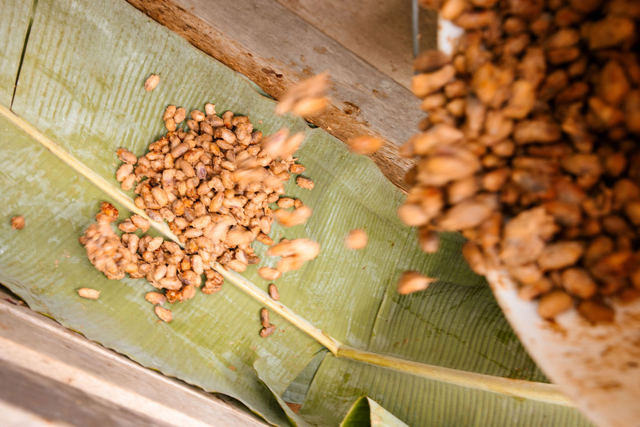
Fresh cacao beans taste nothing like chocolate; they’re bitter and astringent. The magic happens during fermentation, where beans rest for 5-7 days while naturally occurring microorganisms transform their chemical composition, developing the complex flavor precursors we associate with fine chocolate. This crucial step cannot be rushed or replicated artificially, which is why we honor traditional methods that allow nature to work its transformative magic.
4. Terroir Shapes Every Bar
Like wine grapes, cacao expresses its environment. Soil composition, rainfall patterns, altitude, and surrounding vegetation all influence flavor. Hawaii’s volcanic soil and tropical microclimates create distinct flavor profiles, often featuring fruity, floral notes that differ dramatically from cacao grown in Ecuador or Madagascar. Kauai’s unique growing conditions contribute to exceptionally nuanced chocolate that tells the story of place in every bite.
5. Cacao Was Once Literal Currency
Ancient Mayans and Aztecs valued cacao beans so highly they used them as money. A turkey costs 100 beans; a fresh avocado is just three. Spanish conquistadors initially overlooked this “brown gold,” not recognizing its value until they witnessed indigenous cultures’ reverence for it. The ancient history of cacao reveals how this precious commodity shaped civilizations and continues to connect communities today.
6. There Are Three Main Cacao Varieties
Criollo, Forastero, and Trinitario represent the primary genetic families. Criollo, the rarest and most prized, produces delicate, complex flavors but low yields. Thoughtful chocolate makers seek these premium varieties or carefully selected Trinitario hybrids that offer exceptional flavor complexity. Unique cacao varieties offer diverse flavor experiences that reflect generations of agricultural wisdom.
7. The Bean-to-Bar Movement Reclaims Quality and Transparency
Traditional chocolate manufacturing separates growing, processing, and production across continents and companies. The bean-to-bar approach, where one maker controls every step from the cacao tree to finished bar, ensures quality, freshness, and complete transparency. This method also minimizes transportation, reducing environmental impact while maximizing flavor potential and supporting local cacao farm communities.
8. Dark Chocolate Contains Beneficial Compounds
Beyond its rich taste, quality dark chocolate contains flavonoids, minerals like magnesium and iron, and compounds that may support cardiovascular health. Research shows the key is choosing chocolate made from pure cacao without excessive sugar or artificial additives; just cacao, organic cane sugar, and sometimes cocoa butter. This commitment to pure ingredients honors both the bean and those who enjoy it.
9. Drying Determines Shelf Stability and Flavor Preservation
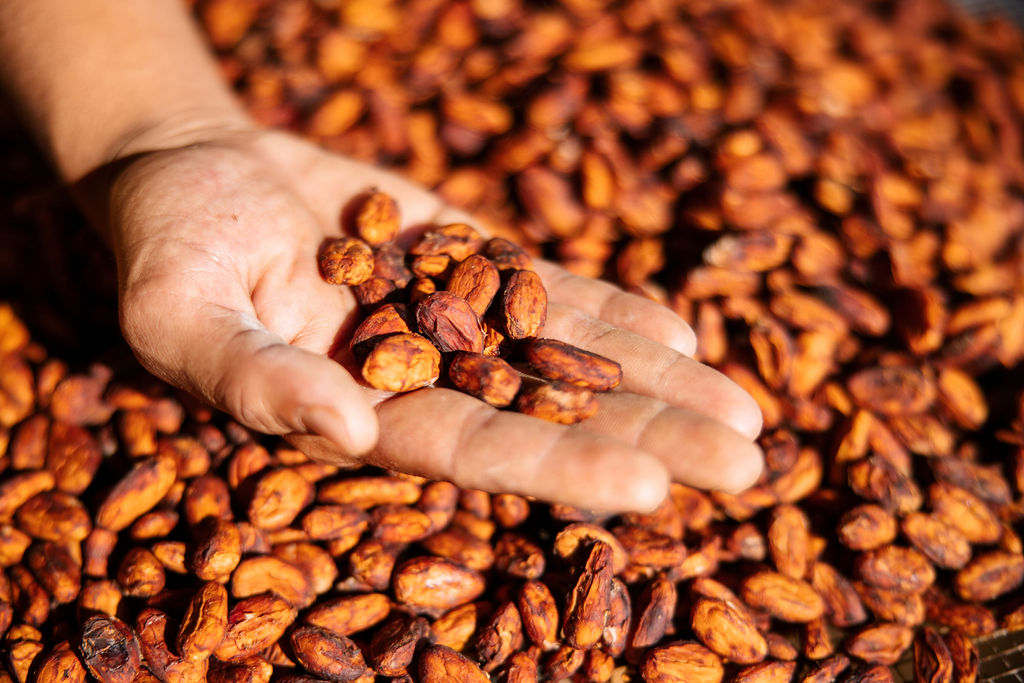
After fermentation, beans must be carefully dried to 6-8% moisture content. Too much moisture invites mold; too little creates brittle, damaged beans. Many sustainable cacao farms use sun-drying, a traditional method that requires attention to weather patterns and careful turning. This patient, environmentally conscious technique preserves flavor while preparing beans for roasting, connecting modern craft to ancient practices.
10. Sustainable Cacao Farming Protects Biodiversity
Cacao thrives in biodiverse ecosystems, traditionally grown in forest understories alongside shade trees, fruit plants, and native species. This agroforestry approach supports wildlife, prevents soil erosion, and sequesters carbon, creating chocolate that tastes better because it’s grown better.
Frequently Asked Questions
What’s the difference between cacao and cocoa?
Cacao refers to the raw bean and minimally processed products, while cocoa typically describes roasted, processed powder. Both come from the same source, but processing methods differ.
How long does it take for a cacao tree to produce fruit?
Cacao trees begin bearing fruit at 3-5 years old and can continue producing for several decades with proper care, creating a lasting agricultural legacy on cacao farms.
Why does bean-to-bar chocolate cost more?
Small-batch production, quality cacao selection, longer processing times, sustainable farming practices, and complete transparency require greater investment than industrial manufacturing. You’re investing in craftsmanship, community, and environmental stewardship.
The Story Continues on Every Cacao Farm
Every chocolate bar carries the legacy of ancient cultures, tropical ecosystems, and skilled artisans who transform humble beans into extraordinary experiences. Understanding cacao history and the journey from farm to bar deepens appreciation for the craft behind what we enjoy and the positive impact conscious choices create.
Contact us to learn more about our farm-to-bar process, schedule a cacao farm visit, and discover how choosing quality, sustainably grown Hawaiian chocolate supports both your values and exceptional taste.